Resources & Solutions
A coordinated insurance strategy for used oil collection, fleet operations and re-refining.
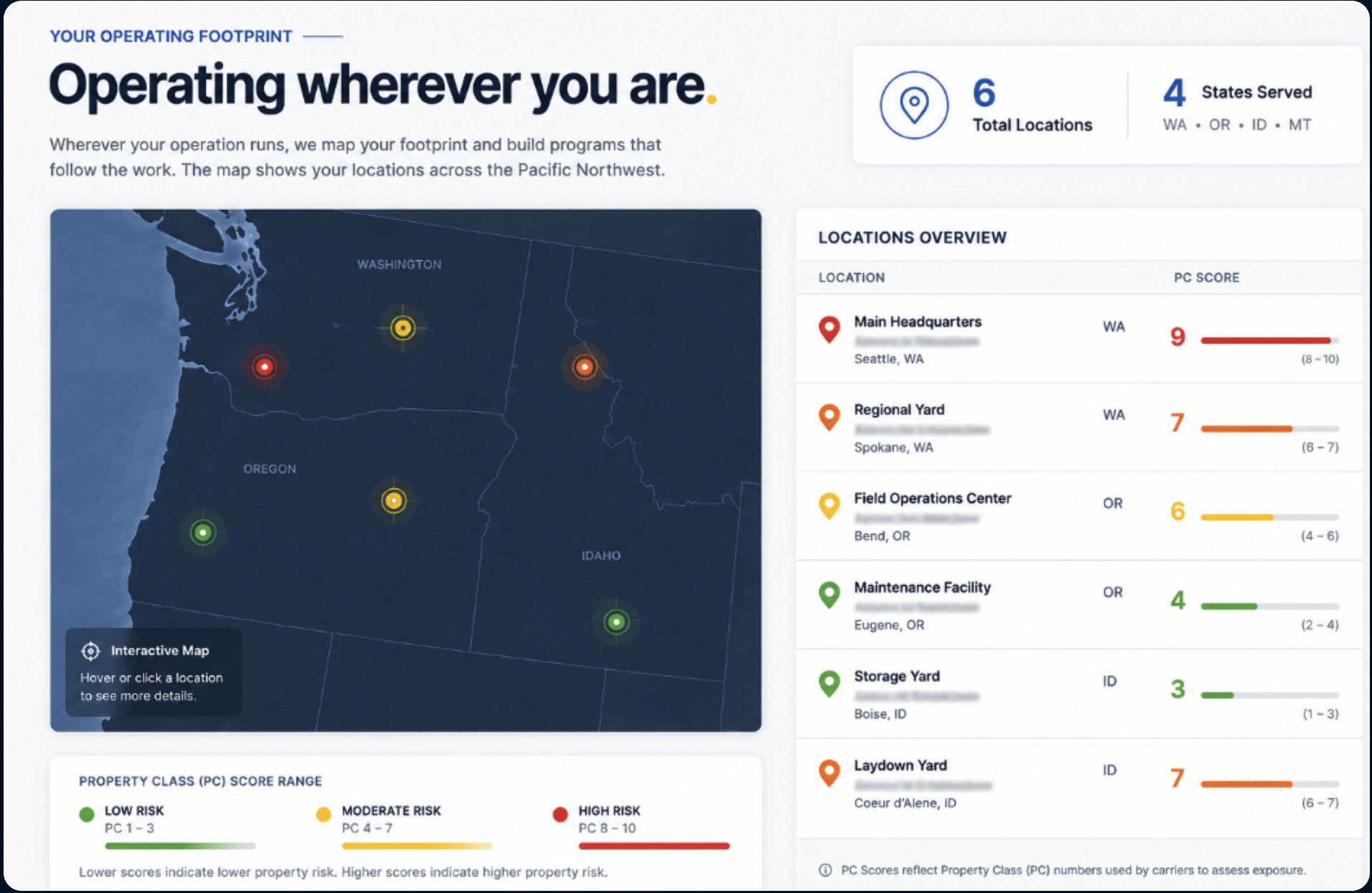
EcoLube's risk does not stop at the truck, the customer's site or the refinery gate. We would bring Team Haugen's local accountability together with HUB's transportation, environmental and waste-management resources to review how your insurance responds across the operation, and build a plan around what we learn.
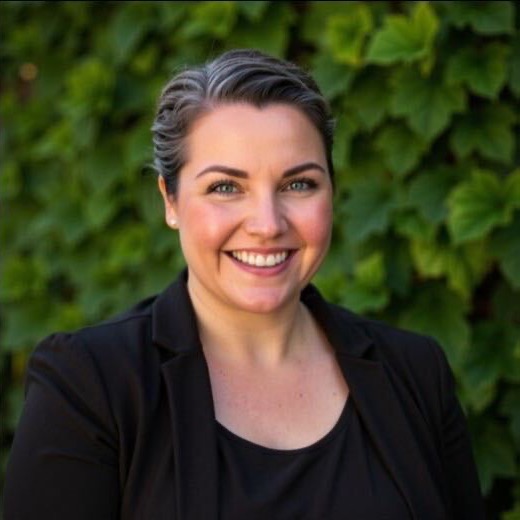
Samantha Bradley and HUB's employee benefits specialists can help EcoLube evaluate its benefits strategy and the support needed to put it into practice.
Strategic Employee Benefits Leadership
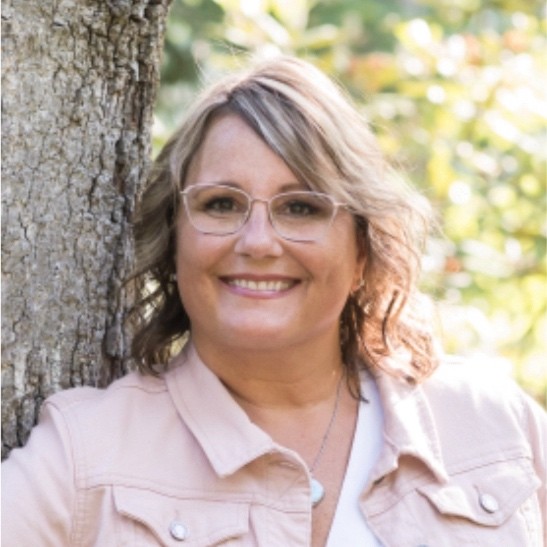
A benefits program is both a significant cost center and a strategic financial lever. It shapes what a business spends, how stable its workforce is, and how well it can grow. Samantha Bradley manages benefits programs at all three levels at once, aligning cost containment, funding strategy, and operational execution. For EcoLube, she would start by understanding how the program works today, then build toward one that performs at a best in class level on both cost and employee experience.
For EcoLube, Samantha can help evaluate benefits strategy, funding options, and the operational support needed for the next stage of the business.
Samantha's team works ahead of problems rather than reacting to them. When a carrier or network change threatens to affect members, the goal is to have a contingency ready before the issue reaches leadership, and to quantify the real impact in dollars and headcount so decisions are informed. That is the standard her team operates to.

Account Executive
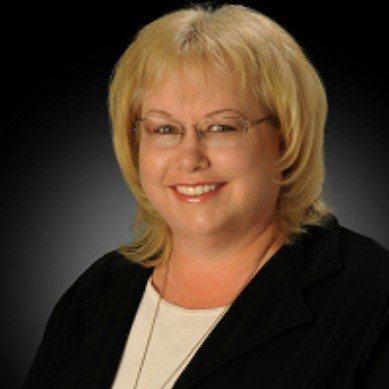
Ashley manages the day-to-day service of a benefits program: enrollment, compliance requirements, member communications, and carrier coordination. She is the primary contact for employee questions and holds the service relationship through the renewal cycle, keeping the program running smoothly between the strategic conversations.
Account Executive
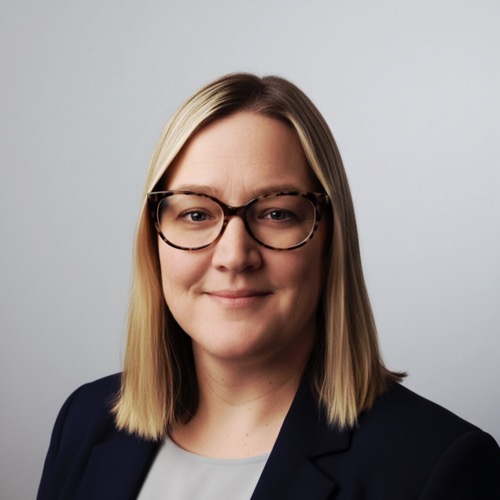
Malia runs the service team and oversees day-to-day delivery, including program implementations. She aligns systems against the contracts in place, applies carrier pressure where relationships need managing, and acts as additional support to the EcoLube team.

Director of Financial Analytics
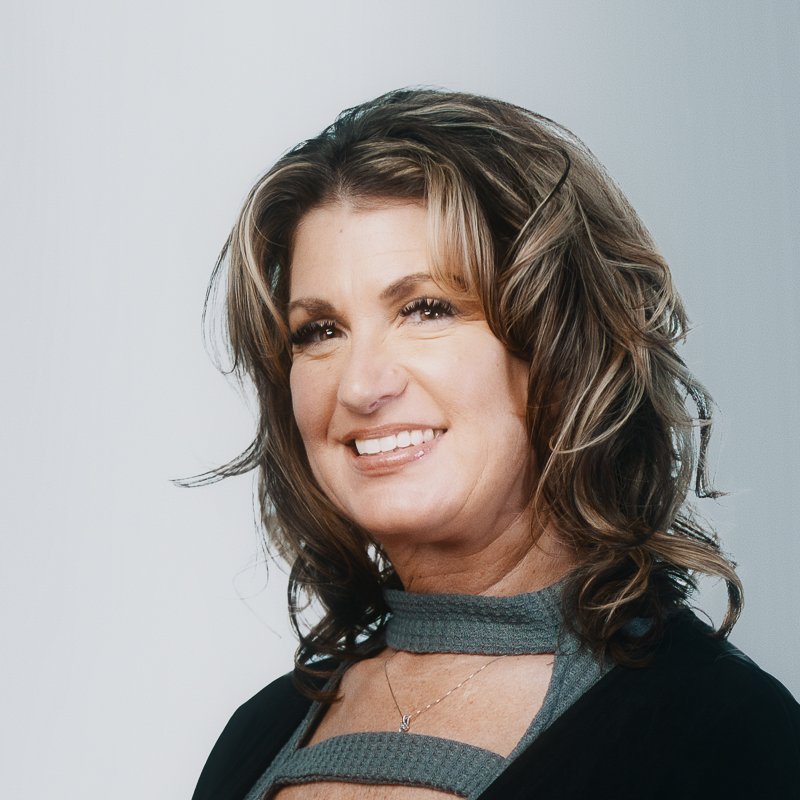
With more than 20 years in employee benefits, Justin leads the financial analytics behind a program: experience reporting, financial projections, and reserve estimates that turn benefits decisions into data driven ones. For EcoLube, that analytical layer is how trend gets managed and cost gets protected rather than absorbed.
Director of Pharmacy
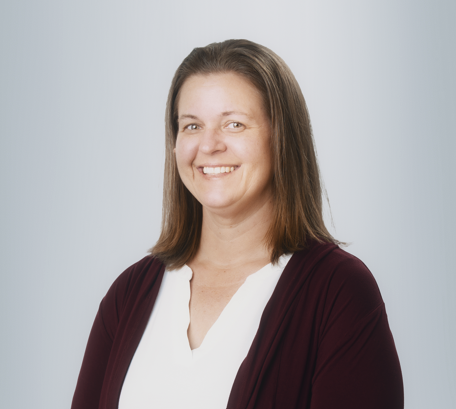
Matt brings nearly a decade of specialized pharmacy benefits experience across PBMs, GPOs, retail pharmacies, and manufacturers. Pharmacy is consistently one of the fastest growing cost components in any health plan. His role is to keep that structure optimized, competitively priced, and aligned to how a workforce actually uses it, with clear guidance for leadership at renewal.
Samantha's pre renewal planning is built around financial discipline and best in class performance. The aim is a benefits program that reflects the same operational standard as the rest of the business, by elevating network strategy, removing embedded inefficiencies, and negotiating from a position of strength to control cost trend year over year.
A full review of the current program, plan design, contribution strategy, network alignment, and cost trend, benchmarked against comparable employers. The objective is to find embedded inefficiencies before renewal, not after.
Benefits is treated as a strategic planning exercise rather than a transactional renewal, with carrier leadership access, benefits innovation previews, and peer benchmarking a standard renewal cannot replicate.
A benefits architecture built to bring on new employees cleanly, compete for talent, and communicate simply across the workforce. Built for where EcoLube is going, not just where it is today.
A coordinated read across the employee benefits lines that matter most, shaped around EcoLube's operation once we understand it.
Medical is the centerpiece of most benefits programs. Depending on workforce size and utilization, self funded or level funded structures can offer meaningful savings over fully insured. Pharmacy cost containment, including specialty drug and GLP-1 management, is often where material savings sit.
Group term life, short and long term disability, and AD&D, coordinated with Oregon Paid Leave and any existing workers compensation program. Disability coverage is often underbuilt and matters most to employees who face physical risk.
Low cost to the employer and high value to employees: accident, critical illness, and hospital indemnity benefits that complement high deductible plans and fit a workforce that faces physical risk.
For the ownership and leadership group, conversations around key person life insurance, deferred compensation, and supplemental executive disability that a benefits program often leaves unaddressed.
Oregon Paid Leave coordination, ACA tracking and reporting, ERISA, COBRA, and Section 125 compliance, consolidated so the administrative load becomes quantifiable time and risk saved.
A single benefits administration platform for enrollment, plan information, and reporting, reducing the manual work of running a program and keeping eligibility and reporting accurate.
The compliance team, carrier relationships, and technology to run a benefits program as an integrated whole, not a once a year transaction.
HUB's national volume opens markets, underwriting flexibility, and plan designs smaller agencies cannot access. When EcoLube's medical goes to market, it goes as part of one of the largest brokerages in North America.
Key person, buy sell funding, deferred compensation, and supplemental disability capabilities at a level regional benefits agencies rarely match, a conversation many employers are never offered.
Strategic touchpoints between renewals: regulatory advisories, plan design discussions, vendor performance reviews, and proactive communication when carrier or network changes affect the program.
HUB would help plan and run each open enrollment, from employee communications to carrier coordination.
Filing deadlines, required notices, and disclosures would be tracked on one calendar so nothing is missed.
When an employee runs into a claim or billing issue, the team would work with the carrier to help resolve it.
HR leadership would have a standing resource for benefits questions between renewals, not only at renewal time.

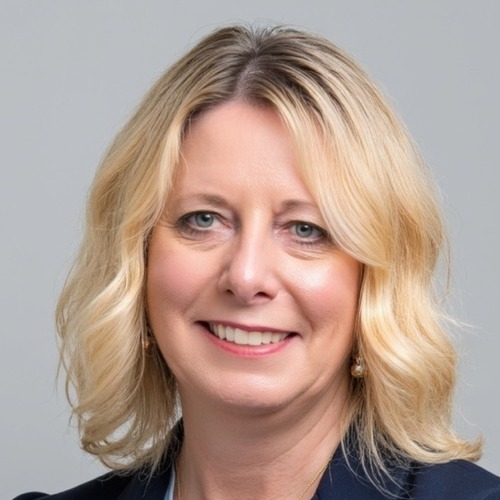
Personal insurance has grown more complex and more consequential. Rate volatility, carriers pulling back from catastrophe exposed markets, and coverage gaps that only surface at claim time are pressures most households navigate alone. Brandon Vogel and Nancy Tribolet work in tandem through HUB Private Client to bring independent market access and a real broker relationship to that work.

Private Client Risk Advisor
HUB Private Client
Brandon has more than 12 years of insurance experience, with a focus on tailored personal insurance strategies. He brings an analytical approach and knowledge of carrier relationships to evaluating options in a complex market.

Vice President Personal Lines Sales
HUB Private Client
Nancy brings more than two decades of insurance experience advising private clients on protection for their assets and lifestyles. Her approach emphasizes discretion, attentive service, and thoughtful risk analysis. She holds the Certified Advisor of Personal Insurance (CAPI) and Certified Private Risk Manager (CPRM) designations.
Brandon and Nancy work together to help assess personal coverage needs, explain available options, and coordinate next steps.
The coverage areas HUB Private Client brings together under one program, matched to what a household actually owns and how it lives.
Primary homes, second homes, and high-value residences, with replacement cost valuation and coverage built for the actual property rather than a generic form.
Personal and high-value vehicles coordinated with the rest of the program, including agreed-value and collector options where relevant.
Personal liability protection layered above home and auto, sized to protect assets and income from a large claim.
Scheduled coverage for jewelry, art, wine, and other collections, valued and insured on terms a standard homeowners policy does not provide.
Boats, watercraft, and other specialty assets insured for their use and value, coordinated into the overall liability picture.
Wildfire, flood, and other location-specific perils addressed directly, including access to markets as standard carriers pull back from exposed areas.
HUB places coverage across many carriers rather than one, which matters most when standard markets tighten or withdraw. Options get compared, not accepted.
High net worth households get specialized expertise and a team that understands the full scope of their protection, not a transactional personal lines desk.
A real broker relationship at the moment it counts, advocating through a claim rather than leaving the household to handle it alone.
As assets and responsibilities grow, the program is reviewed and adjusted so coverage keeps up rather than falling behind.
Lifestyle, assets, and priorities.
Independent market access.
Coverage built to the actual exposure.
A real broker relationship over time.

Property and Casualty
Collecting used oil, moving it between locations and processing it into recycled products creates connected exposures. A spill during a pickup, a vehicle accident in transit and an incident at a processing facility raise different insurance questions. Our starting point is to understand how EcoLube's work moves from customer to truck to facility, then examine how the policies fit together at each stage.
Understand pickup procedures, pumping and hose connections, material identification, contract requirements and responsibility for an accidental release.
Understand vehicles, drivers, routes, maintenance, safety technology and how auto and pollution coverage coordinate after an incident.
Understand receiving, storage, processing, equipment dependencies, environmental response and the financial impact of an interruption.
Team Haugen · HUB International Northwest
This page is the proof. Before a first meeting we study the operation and come prepared with questions worth your time. We do not show up cold.

We are Oregon-based, the region EcoLube calls home. We understand local carrier markets, Northwest regulatory nuance, and the business culture a Northwest-owned company values in a partner.

Team Haugen stays your point of contact and owns the relationship. HUB's specialty practices come to the work where their expertise fits, rather than replacing the people you deal with.
Specialist Resources
Team Haugen would coordinate the review and remain your point of accountability. We propose bringing the following HUB resources into the work where their expertise fits EcoLube's needs.

HUB Construction Specialty Leadership
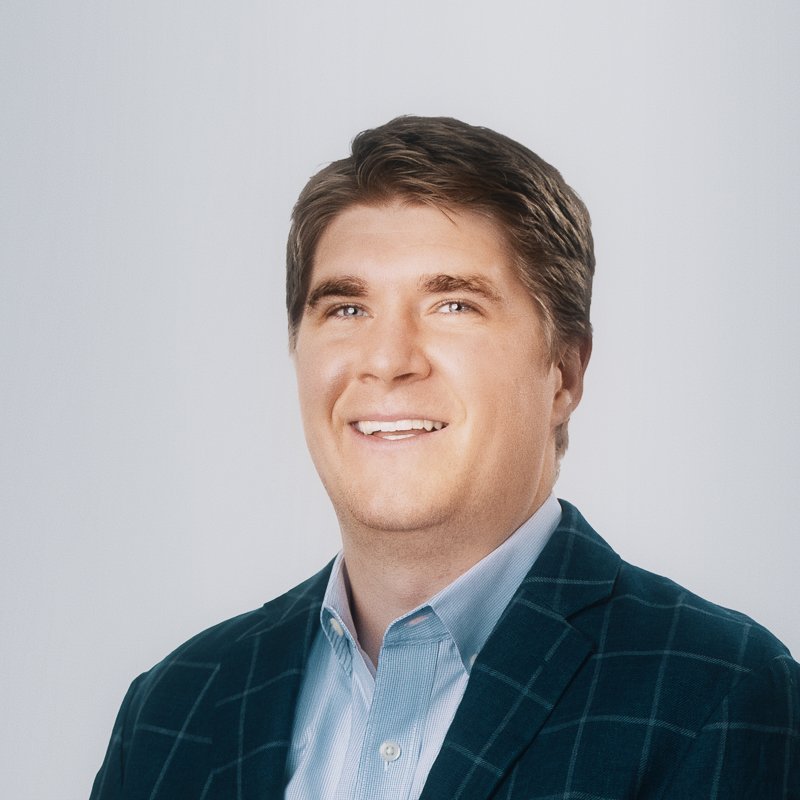
Kirk's proposed role is to help connect the review with HUB's construction and waste-management resources where they are relevant to EcoLube. The focus would be coordinating industry expertise around collection and handling exposures, contractual responsibilities and program structure, alongside HUB's transportation and environmental teams.

HUB Transportation Practice Leader
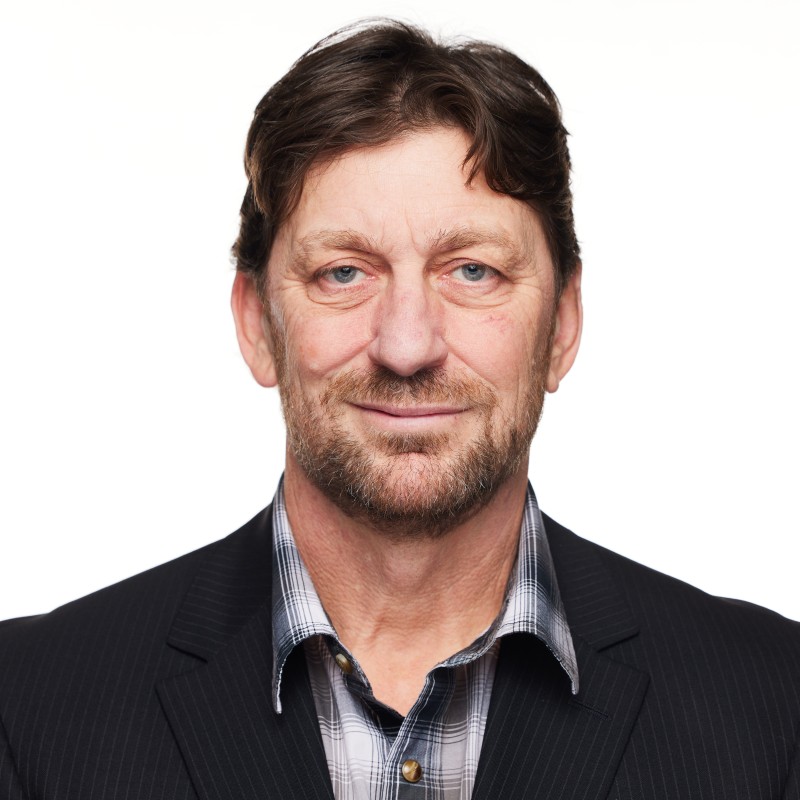
We propose involving David in the fleet review to examine how EcoLube's auto program, driver safety practices and telematics strategy work together. The review would consider coverage structure, loss trends and the information carriers need to understand your fleet, with recommendations tailored to the operation and its current safety systems.

Environmental Practice
We would involve HUB's environmental team to review pollution coverage across customer-site work, transportation, storage and processing. Their proposed role is to examine policy wording, exclusions, reporting requirements and the coordination between environmental and other insurance policies.

Don Watson
Client Services Advisor and Licensed Attorney
In-house contract review and risk counsel as part of the insurance relationship, not a separate legal bill.
Don is a licensed attorney embedded directly on Team Haugen, a differentiator most brokerages won't invest in. For a company operating across three states, managing vendor and municipal contracts, environmental compliance obligations, and multi-facility operations, having in-house contract review and risk counsel as part of the insurance relationship, not a separate legal bill, is real value.
For EcoLube, contract review would focus on the relationship between customer, vendor and disposal agreements and the insurance obligations they create.
Environmental
A release during collection, a spill on the road and a pollution condition at a facility may involve different coverage triggers. We would review the actual policy language to understand where protection begins, what limits apply and how the program responds when an incident crosses more than one policy.
We have not reviewed EcoLube's policies. These are proposed review priorities, not findings about your current coverage.
Examine how the program addresses an accidental release while collecting, pumping or handling materials at a customer's location.
Covered operations and insured entities; loading and unloading; hoses and connections; cleanup and third-party injury or property damage; contractual responsibility; work performed by subcontractors, if used.
Examine how auto and environmental policies coordinate when a release occurs during transportation.
Transportation pollution provisions; owned, hired and non-owned vehicles where applicable; transported material definitions; loading and unloading boundaries; roadside cleanup; emergency response costs; defense provisions and allocation across policies. Evaluate required motor-carrier endorsements if applicable. An MCS-90 is not a substitute for pollution insurance.
Examine scheduled locations and the treatment of pollution conditions associated with receiving, storage and re-refining.
Location schedules; tank and storage exposures; sudden and gradual conditions; on-site and off-site cleanup; historical or known conditions; retroactive dates; reporting requirements; third-party disposal locations, where applicable.
Examine what must happen after discovery of an incident and which costs the program may address.
Notice deadlines; emergency expenditure and insurer consent provisions; defense within or outside limits; retentions and sublimits; response vendor arrangements; business interruption terms where available; coordination with claims support. Distinguish potentially insurable cleanup costs from penalties or obligations that may not be insurable.
Standard liability and property coverage can contain pollution exclusions or restrictions. A policy name alone does not tell us whether a particular release is covered. Our review would compare the relevant forms and endorsements with EcoLube's actual work and identify questions, overlaps or potential gaps supported by that wording.
The result would be a written explanation of the current structure, any potential gaps requiring attention and options to discuss with you and the insurers, not a generic recommendation to buy more coverage.
Fleet
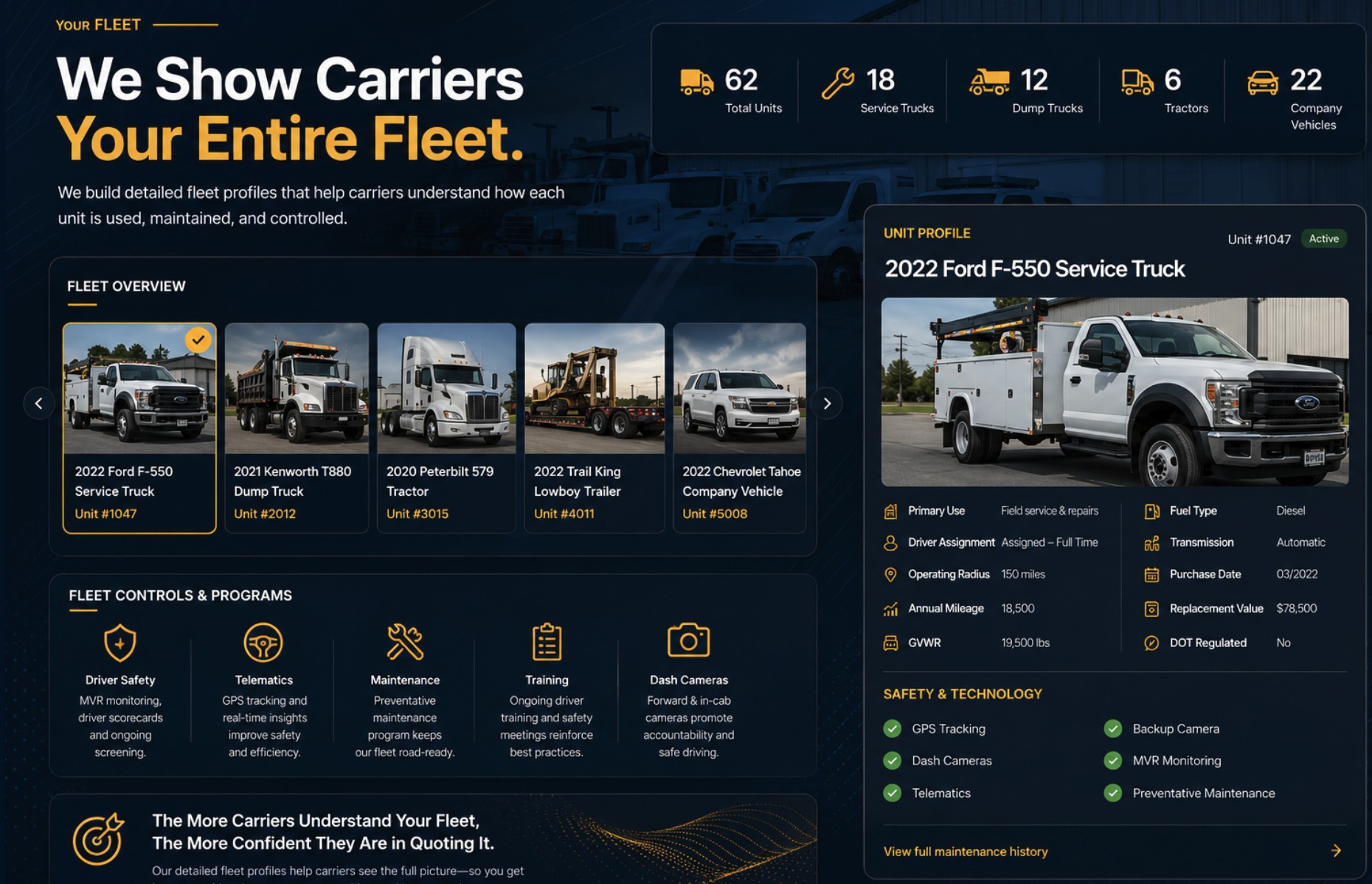
EcoLube's trucks connect customer service with facility operations. We would work with David and HUB's transportation resources to review both the insurance program and the operating practices that help shape the fleet's risk profile.
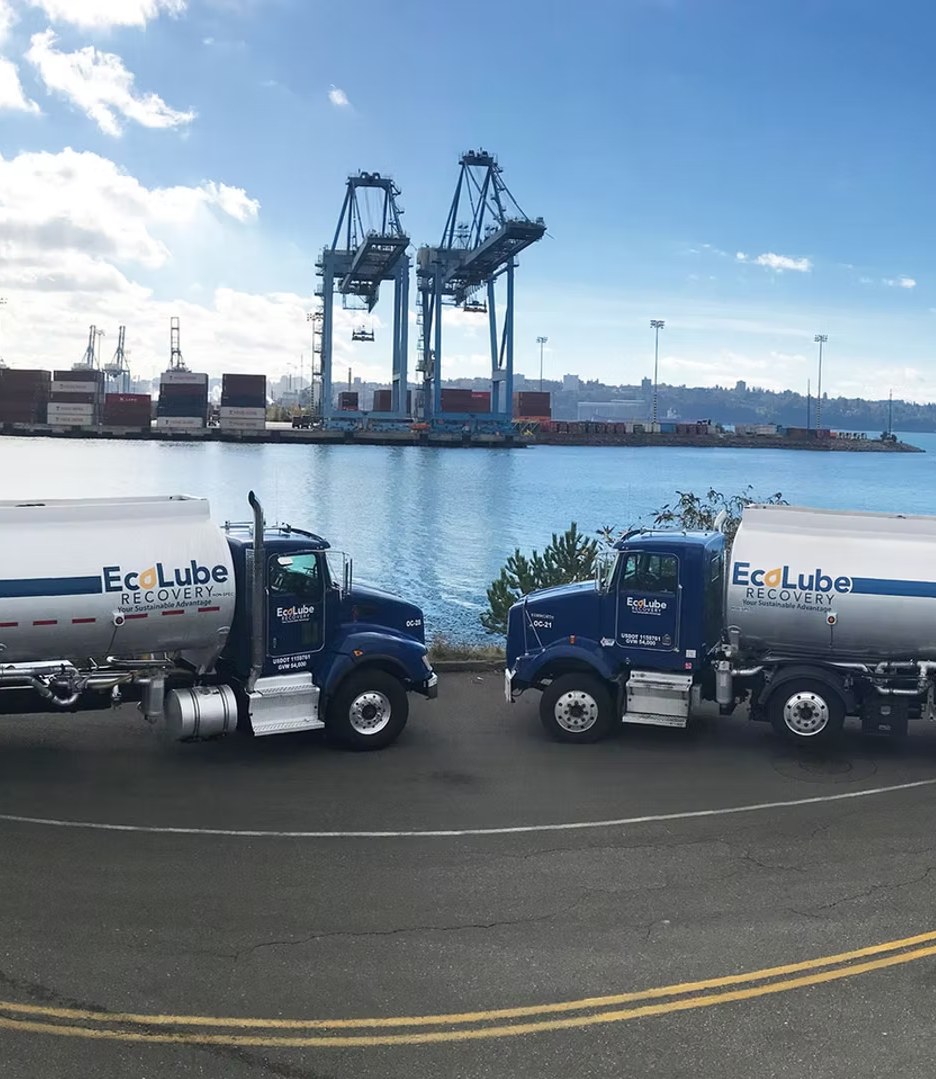
EcoLube Recovery fleet
Examine scheduled vehicles, vehicle values, liability limits, deductibles, hired and non-owned exposure where relevant, umbrella alignment and the relationship between auto and transportation pollution coverage.
Understand hiring and qualification standards, routes, backing and customer-site work, vehicle maintenance and training. Review available loss runs and applicable compliance information to identify patterns that warrant further discussion.
First understand whether EcoLube uses telematics, cameras or other safety tools. If it does, review how the information is used for coaching, incident investigation and corrective action. If it does not, evaluate whether adopting appropriate tools would support its goals. Technology should have an operating purpose, not simply be another dashboard.
Examine incident reporting and evidence preservation practices, then develop a carrier-ready explanation of the fleet's controls, loss trends and improvement priorities. Any proposed changes would be evaluated against cost, operational fit and carrier requirements.
Our proposed deliverable is a fleet review with coverage questions, practical safety priorities and a plan for presenting the account to suitable carriers. We would not assume your current program or telematics need replacing before understanding what is already working.
Review Plan
The first meeting is about understanding EcoLube's priorities and deciding whether a deeper review would be useful. If we agree to move forward, the next step is to share the current policies so our recommendations can be grounded in the coverage you actually have.
Understand how EcoLube runs, the renewal calendar and what you want the review to answer.
Discuss facilities, collection services, materials handled, fleet operations, growth plans, renewal timing and the issues you want the review to address. Confirm the scope of specialist involvement and the review timeline together.
Start from the complete current policies, then agree what else the review needs.
Begin with complete current policies, including endorsements and schedules, not certificates alone. We would then agree on the supporting information needed for fleet, environmental, property and claims review.
Fleet, pollution and industry questions run in parallel, consolidated by Team Haugen.
Review auto and fleet with David and the transportation resources; pollution with the environmental team; and relevant waste-management and industry questions with Kirk and the appropriate HUB resources. Team Haugen would consolidate the findings rather than give you separate, disconnected reports.
Separate confirmed findings from open questions, then prioritise what actually matters.
Explain what appears aligned, what requires clarification and where wording or program changes may be appropriate. Distinguish confirmed policy findings from questions requiring insurer clarification. Prioritize recommendations by significance, feasibility and cost.
Decide together what to refine, what to take to market and what to leave as it is.
Decide together whether to refine coverage, pursue carrier options or begin selected risk-management work. Any marketing process would follow an agreed strategy and appropriate authorization.
A coverage comparison identifying relevant policy provisions; a prioritized list of potential gaps and insurer questions; a fleet and telematics action plan; an environmental coverage and response review; and a proposed renewal or marketing strategy with agreed responsibilities.
We would arrange a secure way to share documents through the contact below rather than uploading them to this page.
How We Take You To Market
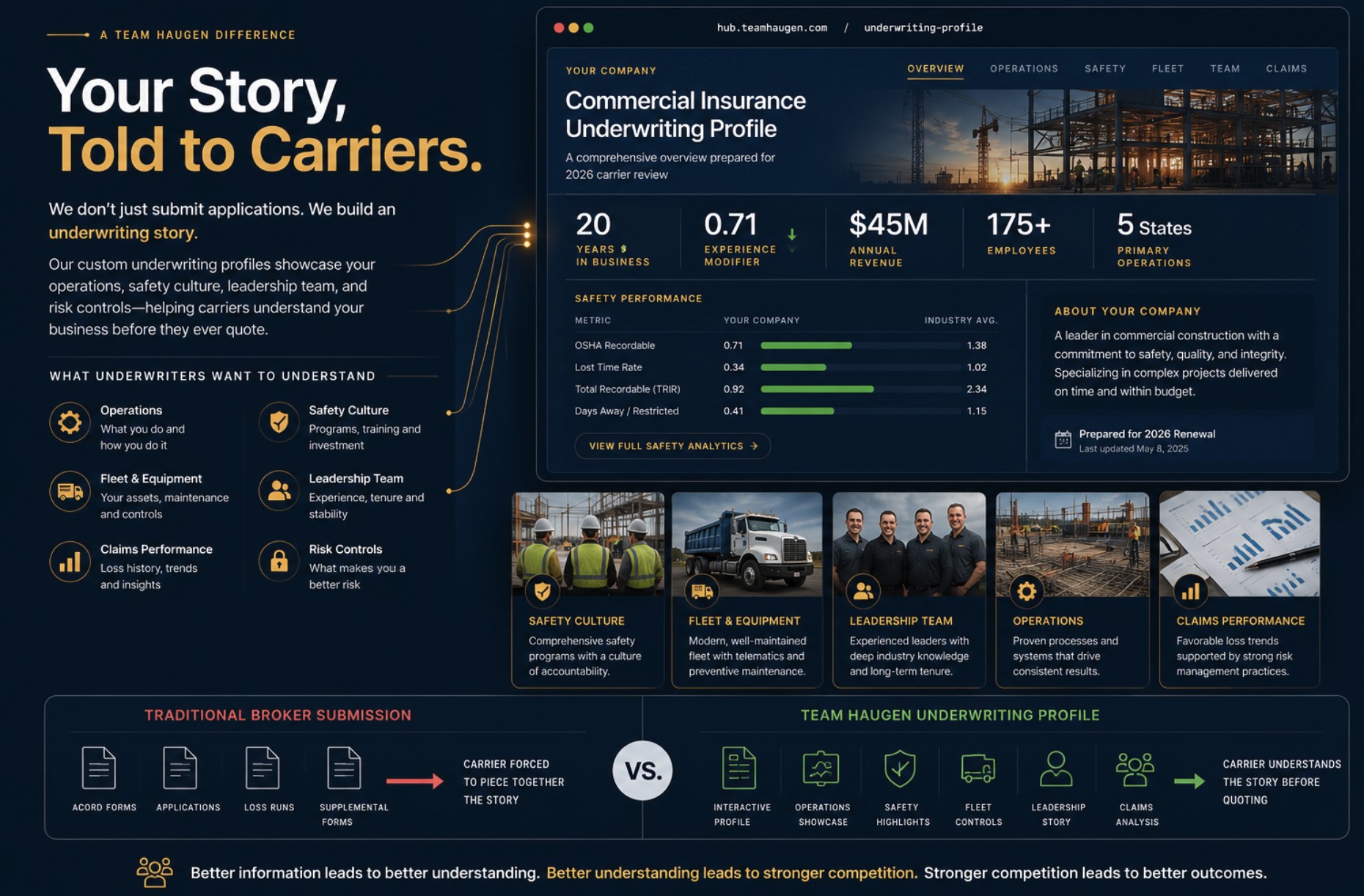
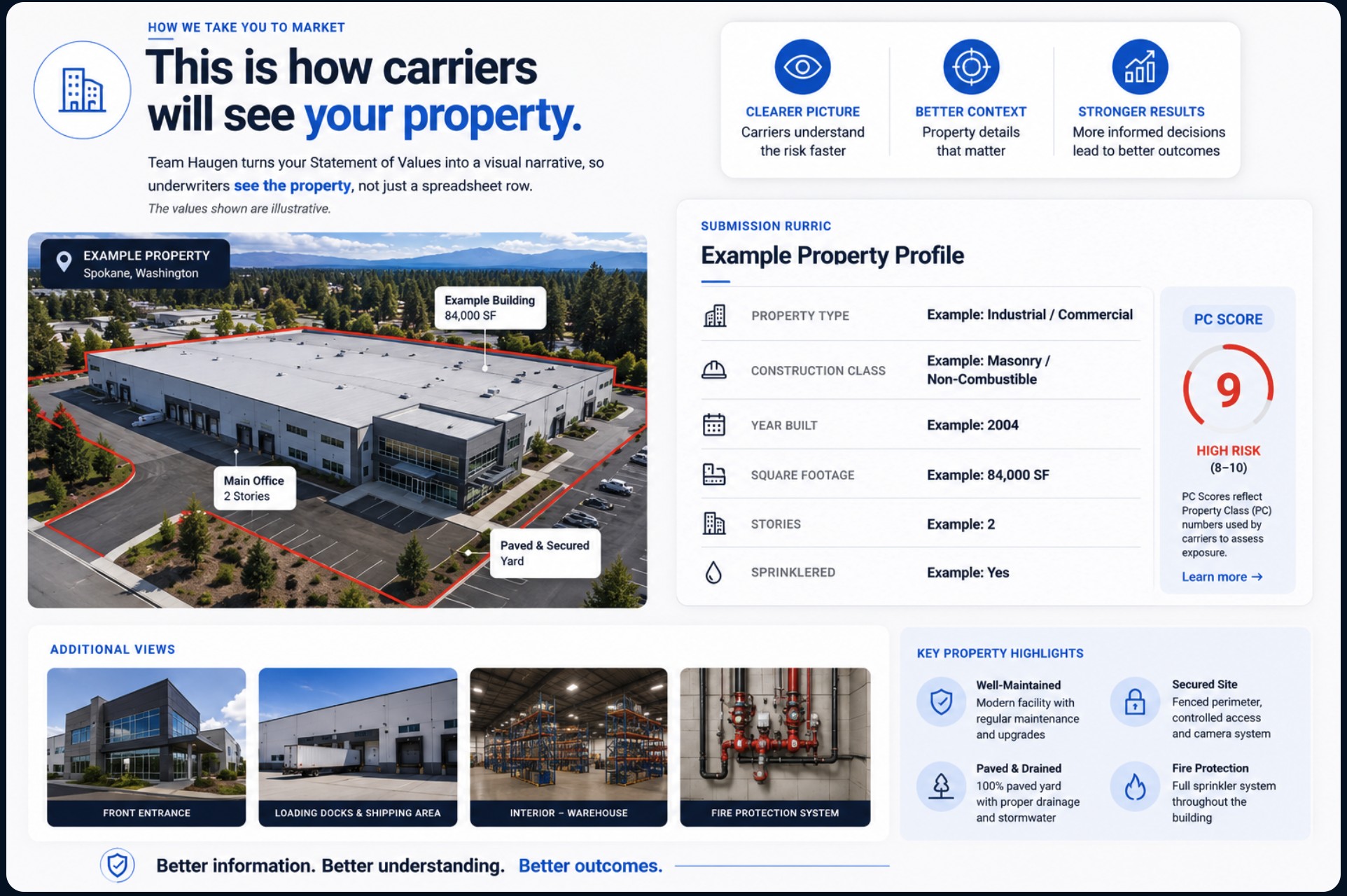
Once we have reviewed your program and confirmed the operating details, we would build an underwriting presentation that connects EcoLube's collection services, fleet controls, processing operations and environmental safeguards. The goal is to give carriers a clear, documented understanding of the account so they can evaluate the appropriate coverage and terms.
Illustrative underwriting presentation. Final content would be verified with EcoLube before use with carriers.
Reviewing one policy at a time can miss the boundaries between them. We would examine how EcoLube's coverage responds across the operation and whether the limits, exclusions and insured entities align.
| Program area | Proposed review focus |
|---|---|
| Auto and fleet | Vehicles, liability, physical damage, driver practices and transportation pollution coordination |
| Pollution and environmental | Collection, transit, facilities, covered materials, cleanup triggers and notice requirements |
| Property and interruption | Refinery equipment, values, equipment breakdown and interruption exposures where applicable |
| General liability and contracts | Described operations, contractual obligations and relevant exclusions |
| Workers' compensation | Employee duties, classifications, loss trends and safety support |
| Umbrella and excess | Underlying schedules, attachment points and whether environmental exposures have appropriate excess protection |
We would use the review to develop a coordinated recommendation, then discuss suitable carrier options and the tradeoffs between protection, retained risk and cost.
The full Team Haugen roster at HUB International Northwest.
Bonds
Ian Campbell
Vice President, Surety
Kristen McGillvrey
Sr. Account Manager, Surety
If EcoLube's contracts, permits or operating requirements include bonding or financial assurance, Team Haugen would coordinate with HUB's surety resources to review the requirement and available options. Surety sits in-house, so if bonding does come up it is handled by the same team that handles your casualty program, not split across two brokers.
A surety relationship is built on the underwriter knowing the account, and Ian leads that here. He brings 18 years in the industry and more than a decade dedicated exclusively to surety, as Past President of the Surety Association of Oregon and a member of the NASBP Leadership Committee. Kristen McGillvrey handles day-to-day servicing.
One house for casualty and surety removes a recurring friction point. The surety underwriter and the casualty underwriter work from the same picture of your company, not two different versions of it.
Examples of bonding we would evaluate only if they apply to EcoLube's contracts or permits.
Bid, performance and payment bonds, where public-entity work forms part of the customer mix.
Financial assurance and permit bonds, where used oil or regulated-waste permits carry them.
Operating and licensing bonds, where the states EcoLube works in require them.
Bonds tied to transport operations, where regulated-waste hauling requires them.
Surety placed by the same team that handles your casualty program.
Relationships with surety markets that understand environmental and waste-adjacent operations.
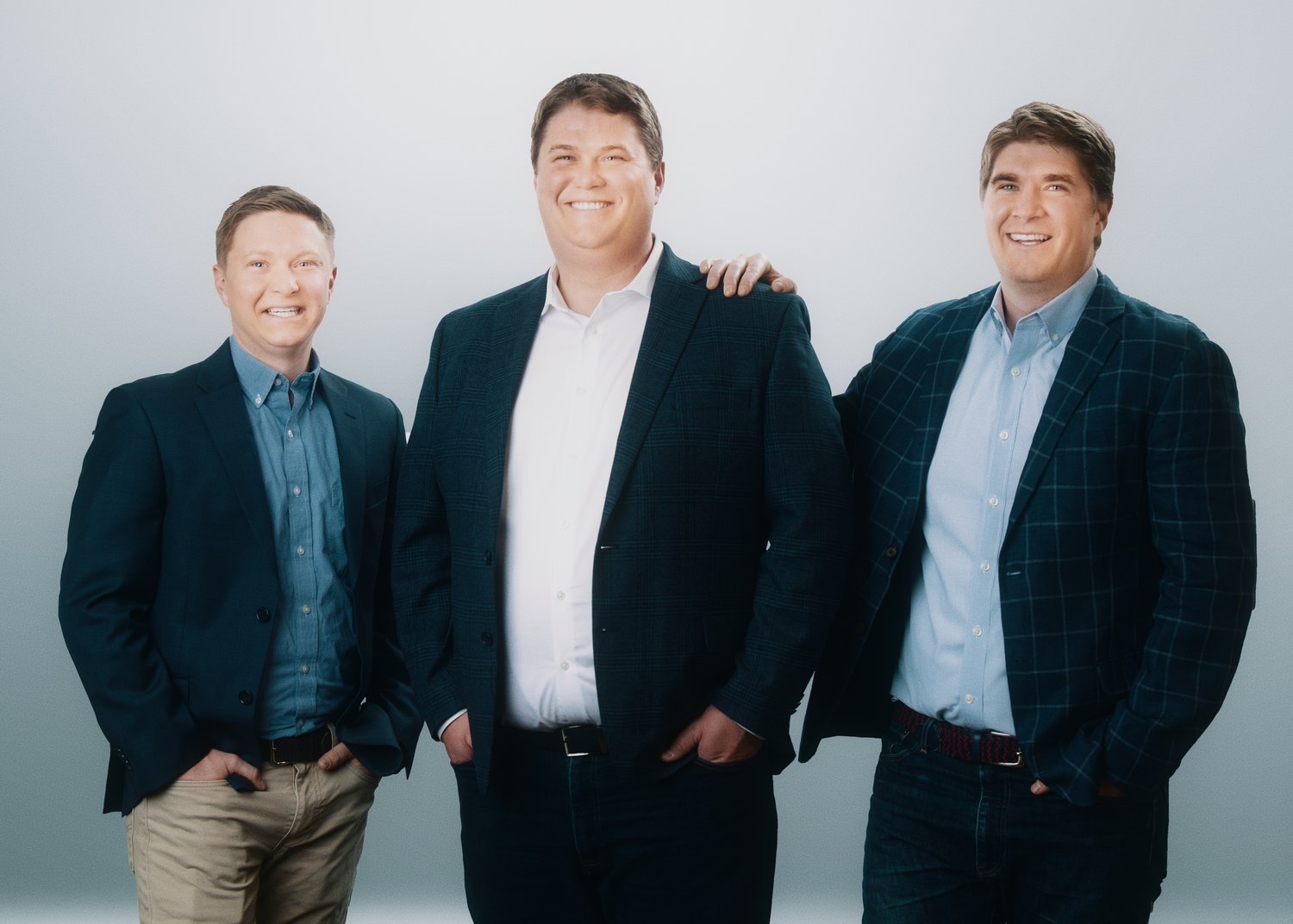
Logan Haugen
SVP, Team Lead
If the meeting confirms a fit, share your current policies and we will agree on a coordinated review of EcoLube's fleet, environmental and broader insurance program. Team Haugen would organize the specialist input and walk you through the findings, the questions that remain and the options we recommend considering.
Use this form to coordinate the review. We will arrange a secure way to share policy documents.
Published HUB material relevant to the questions above. These are general industry resources, not an assessment of EcoLube.
HUB Material
Background on coordinating fleet, environmental and workforce risks. We would apply the relevant principles to EcoLube's used oil and recycling operations.
Read on hubinternational.comHUB Material
A useful starting point for discussing how safety data becomes driver coaching and a stronger underwriting presentation.
Read on hubinternational.comHUB Material
Context for the exclusions and environmental exposures that make a detailed policy review worthwhile.
Read on hubinternational.com